


Farm stay cleaning: the specific features to know
Published on
5 min read
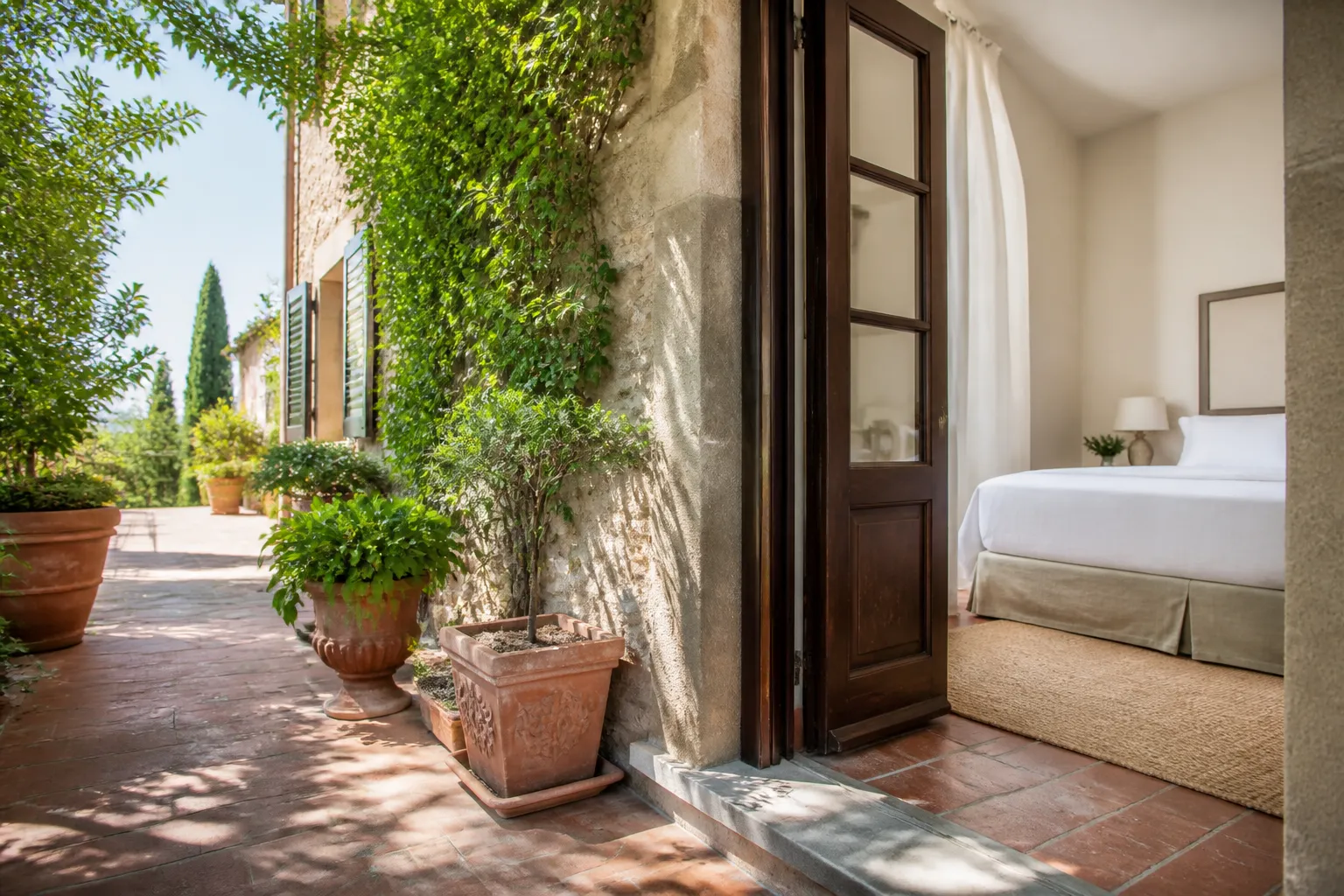
A farm stay is not just a smaller hotel: it is a property with different organisational logic, often spread across several buildings, with large outdoor spaces and staff management that is less standardised than in a hotel chain, and this directly shapes how cleaning needs to be organised from day one.
Contents
- What makes cleaning a farm stay different
- Managing the laundry
- Fireplaces and stoves: a seasonal specific
- Outdoor spaces: work a city hotel does not have
- Multi-skilled staff: benefits and limits
- Historic buildings: particular care needed
- Farm animals and agricultural areas
- When outsourcing cleaning makes sense
- Pest control in a rural setting
- A tailored organisational model
What makes cleaning a farm stay different
Buildings are often physically separate, with distances to cover between one unit and another that simply do not exist in a hotel. Staff numbers are generally smaller and more multi-skilled, often expected to cover aspects that in a larger property would be split across different departments. Even the typical building materials of a Tuscan farmhouse (stone, terracotta, exposed wood) need different products and techniques than the standard materials of a modern hotel, and using the wrong product on these surfaces can cause damage that is hard to repair.
Managing the laundry
Managing the laundry at a farm stay often needs different solutions from a larger hotel: it is not always economically sensible to run an in-house laundry, and the choice between in-house and outsourced washing depends on the number of units and how often linen is changed. For a farm stay with fewer than ten rooms, an outside laundry service with scheduled pickup and delivery often costs less than maintaining dedicated equipment and space, while for larger properties the calculation can tip the other way, in favour of running it in-house.
Fireplaces and stoves: a seasonal specific
Cleaning fireplaces and stoves at farm stays is a job a hotel typically does not have, but which in rural Tuscan properties, especially during the colder months, needs specific attention: removing ash, checking the flue, keeping spaces with an open fire safe. It is worth scheduling a flue inspection by a qualified technician before the cold season starts, not just a visual check of the ash, because unremoved soot build-up represents a genuine fire risk.
Outdoor spaces: work a city hotel does not have
Gardens, courtyards, outdoor relaxation areas are a much more central part of the guest experience at a farm stay than at a hotel. Cleaning and maintaining these spaces needs the same care given to the interior, not treatment as a secondary activity. This includes regular cleaning of gazebos, pergolas and outdoor furniture, as well as managing shared common areas such as porches used for outdoor breakfast during the warmer months.
Multi-skilled staff: benefits and limits
An often underrated advantage of the multi-skilled staff typical of farm stays is flexibility: the same person handling room turnarounds can also take on small maintenance tasks or manage outdoor spaces, reducing the number of people needed compared with a property with rigidly separated departments. The limit, however, is that this flexibility requires broader training for each person, and a workload that needs careful monitoring so nobody ends up without genuinely enough time to do everything asked of them well.
Historic buildings: particular care needed
Many Tuscan farm stays occupy historic, sometimes protected buildings, with original terracotta floors, exposed beams and plasterwork that need specific products, gentler than those used on modern surfaces. The wrong product on a porous terracotta floor can stain it permanently, a mistake far more costly to fix than a similar problem on a standard synthetic surface.
Farm animals and agricultural areas
Many Tuscan farm stays combine hospitality with an actual working farm or livestock operation, which calls for extra care in keeping guest areas separate from productive ones: tools, agricultural materials and access to livestock should never visually or physically overlap with guest living spaces, even when the two areas sit close together due to the property’s layout. Cleaning the entrances and paths connecting the two zones deserves specific attention, precisely to stop dirt, dust or agricultural residue spreading into guest areas.
When outsourcing cleaning makes sense
For a small family-run farm stay, handling cleaning in-house with the family’s own staff is often the most natural solution in the first years of operation. As the number of units grows, or during peak season surges, many properties find that relying on a specialised outside supplier frees up valuable time for the owning family to focus on other aspects of hospitality, from welcoming guests to promoting the property, without having to give up a high cleaning standard.
Pest control in a rural setting
A rural property surrounded by fields and farm buildings faces a higher baseline risk of insects and small animals finding their way indoors than a city hotel, especially around dusk and during warmer months. Regular preventive measures (sealing gaps around doors and windows, keeping food storage areas spotless, scheduling periodic professional pest control visits rather than only reacting once a problem is spotted) protect the guest experience far more reliably than dealing with an infestation after a guest has already complained about it.
A tailored organisational model
Applying hotel standards to a farm stay without adapting them to its specific features almost always creates inefficiencies. It is the adaptation we make for every property that uses our cleaning service across Tuscany, whether a hotel or a farm stay.
Want a tailored assessment for your farm stay? Get in touch.