


HACCP for hospitality businesses: what to know
Published on
5 min read
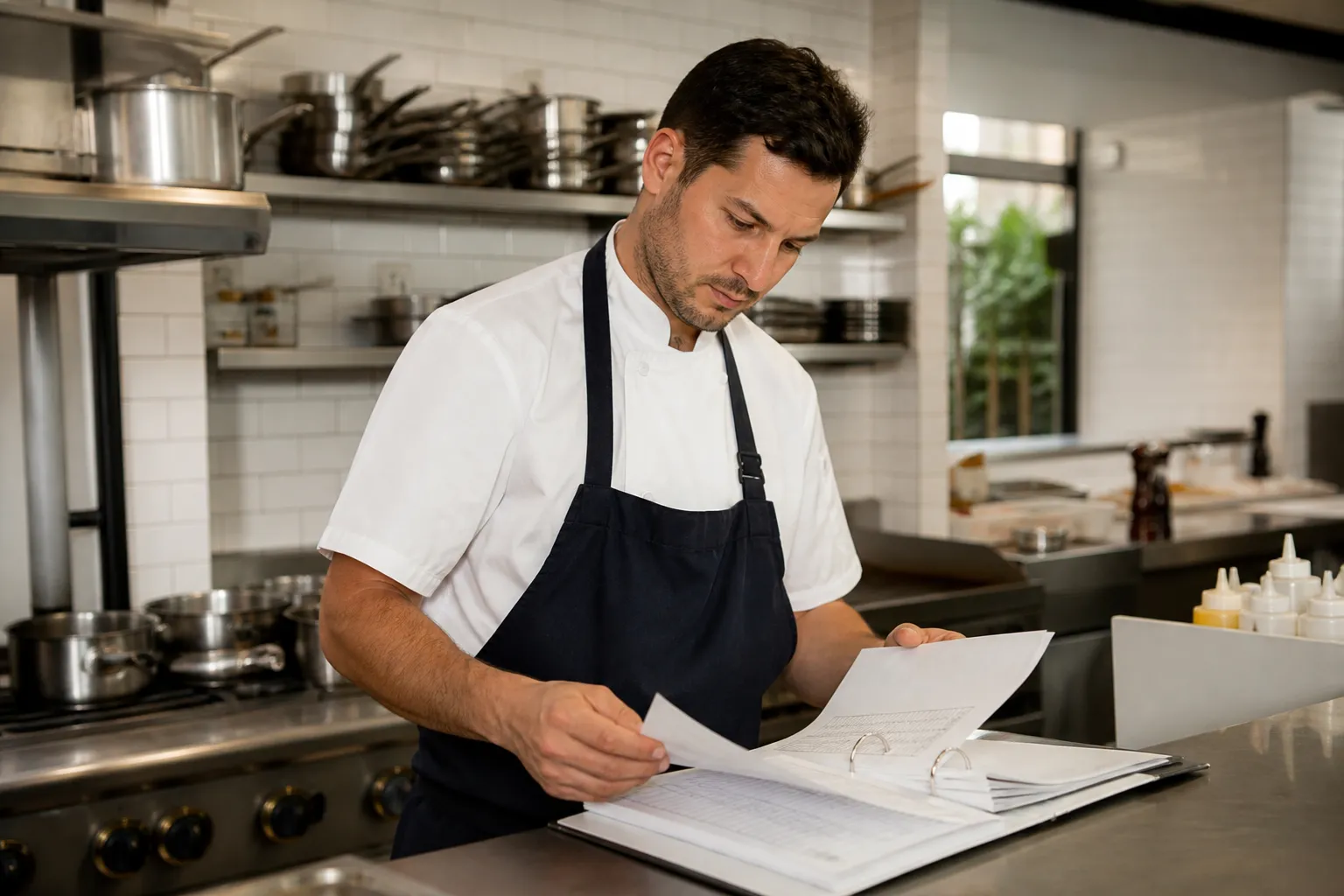
HACCP is almost always associated with restaurants, but it also applies to hospitality businesses offering breakfast, in-house dining or a bar service: wherever food is handled, the self-monitoring system applies, regardless of the property’s size or whether the kitchen is run in-house or outsourced.
Contents
- What the HACCP system requires
- Who holds hygiene and safety responsibility
- The link with daily cleaning
- Why spot checks matter
- Documents an inspector almost always asks for
- Common mistakes in smaller properties
- HACCP training for cleaning staff
- A regulatory framework to understand, not fear
What the HACCP system requires
HACCP is not something to bolt on after the fact once a kitchen or breakfast service is already running: it works best when built into the layout and workflow from the start, so that clean and dirty zones, storage temperatures and staff movement patterns already reflect the logic the system requires.
The HACCP system (Hazard Analysis and Critical Control Points) requires identifying the critical points in the food process (from receiving raw ingredients through to serving) and defining documented control procedures for each of them. It is not an isolated piece of paperwork: it is a system that has to be genuinely applied every day, with real checks on storage temperatures, food traceability and the hygiene of surfaces in contact with food.
For a small hotel running a breakfast buffet, this means, for example, logging the temperature of the dedicated dairy fridge every day, noting the expiry dates of opened products, and confirming that staff who handle food have completed the required training. For a farm stay with an in-house kitchen, the picture widens to include managing short-supply-chain ingredients, which still need to be documented like any other sourcing.
Who holds hygiene and safety responsibility
Hygiene and safety responsibility for the property stays with the owner or the designated manager, even when part of the cleaning and sanitising work is handed to an outside supplier. The supply contract should always make clear how operational tasks are split against this responsibility, specifying exactly who sanitises kitchen surfaces, who checks temperatures and who verifies that chemical products stay away from food.
A useful practice, especially for mid-sized properties, is to put this split in writing as an annex to the cleaning contract, so there is no ambiguity about who answers for what during an inspection.
The link with daily cleaning
Many of the critical points identified by HACCP relate directly to cleaning: sanitising surfaces in contact with food, managing temperatures, keeping dirty and clean areas separate in the kitchen. A cleaning service that understands the logic behind HACCP builds these checks into its own checklists, instead of treating them as a separate activity, for example scheduling worktop sanitising before and after every breakfast service, not just once at the end of the day.
Managing kitchen cloths and sponges also falls into this scope: they need to be colour-coded by zone (raw, cooked, general surfaces) and replaced on a documented schedule, not left generically available to whoever is on shift.
Why spot checks matter
Spot checks on hotel cleaning, even internal ones not requested by an outside body, help verify that the HACCP procedures tied to environmental hygiene are actually being followed, not just documented on paper. A monthly spot check run by an internal manager or by the supplier itself, rotating through a couple of critical points (fridge temperatures, extractor hood cleanliness, the state of cutting boards), takes very little time and significantly reduces the risk of being caught unprepared during an official inspection.
Documents an inspector almost always asks for
During an inspection visit, the documents most frequently requested are the up-to-date HACCP self-monitoring plan, recent temperature logs, training certificates for staff handling food, and technical data sheets for the sanitising products used in the kitchen. Keeping them together in a single binder, physical or digital, that is easy to consult noticeably shortens the visit and gives the impression of an organised property.
Common mistakes in smaller properties
In smaller properties, where one person often covers several roles, the most common mistake is updating HACCP documentation at irregular intervals, sometimes only ahead of a planned inspection. A second frequent mistake is assigning kitchen area sanitising to staff who have not been specifically trained on it, using the same products and methods applied to guest rooms, which follow different logic entirely.
HACCP training for cleaning staff
Cleaning staff who also work in the kitchen or breakfast room should get training specifically on HACCP, separate from generic workplace safety training. It does not need to be a long, complex course: a handful of key points applied consistently is enough, such as recognising areas at risk of cross-contamination, following the correct sanitising sequence (less critical surfaces first, then those in direct contact with food), and managing drying times before a worktop is reused.
For properties relying on an outside supplier for cleaning, it is worth explicitly asking whether the staff being sent have already received this kind of training, rather than finding out only after an inspection. A good supplier refreshes this training every season, especially when staff turn over with the arrival of seasonal workers, and is happy to provide a certificate or a written statement of the training delivered on request from the property.
A regulatory framework to understand, not fear
Regulations on professional cleaning in Italy have evolved over the years precisely to make these obligations clearer. Understanding them well, with the support of an experienced supplier, turns something perceived as a burden into a natural part of daily management. It is something we take care of in our cleaning and sanitising service for Tuscan hospitality businesses.
Want an assessment of how your cleaning protocols line up with HACCP? Get in touch.