


Sustainable cleaning suppliers: how to choose them
Published on
4 min read
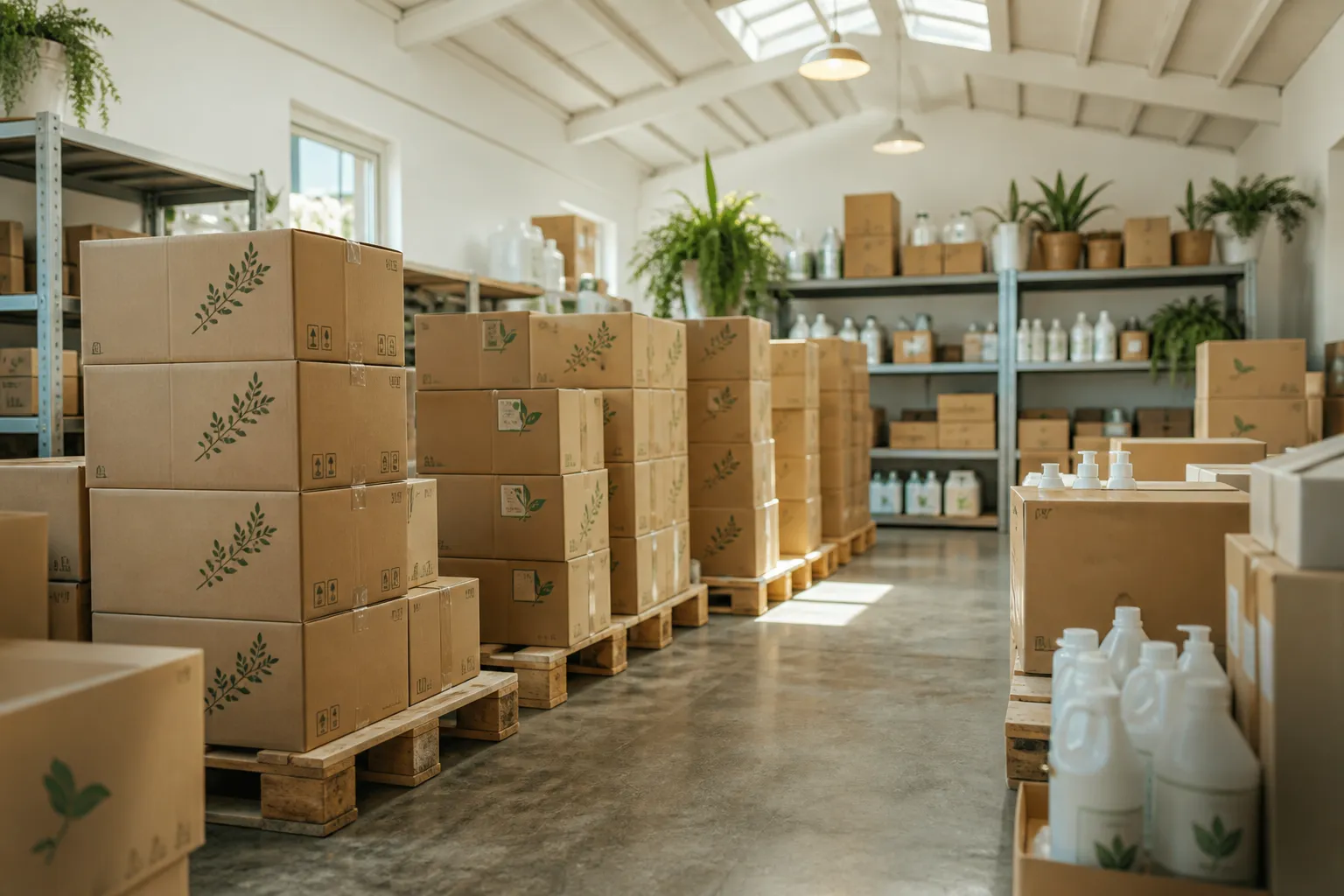
Choosing sustainable cleaning suppliers is not just about buying products with a green label: it means building a supply chain that, from raw material sourcing through to delivery, maintains a verifiable environmental commitment. Getting this choice right early on saves a property from having to unwind a poor supplier relationship later, once staff and procedures are already built around it.
Contents
- What to assess in a sustainable supplier
- Traceability as a guarantee
- Not every “green” supplier is the same
- Useful questions to ask before signing a contract
- Local suppliers: an often overlooked environmental advantage
- Getting the supplier involved in staff training
- Comparing suppliers on price alone is a mistake
- What a sustainable supply contract should include
- Building a long-term relationship
- Sustainability as part of service quality
What to assess in a sustainable supplier
Selecting low-environmental-impact suppliers should take into account the range of certified products available, transport and logistics policies (delivery frequency, distance from warehouses), and transparency in communicating data on product composition and impact. A supplier that answers detailed questions about product composition precisely offers stronger guarantees than one that just points to a generic catalogue.
Traceability as a guarantee
Traceability of sustainable cleaning products makes it possible to verify the origin of raw materials and actual compliance with declared criteria, rather than simply trusting a label. A supplier that provides this documentation without difficulty is generally more reliable than one that sticks to generic claims. For a hospitality business that needs to report on its sustainability to a certifying body or tour operator, this documentation often becomes essential rather than optional.
Not every “green” supplier is the same
The market for sustainable cleaning products has grown quickly, and with it the risk of products marketed as eco-friendly without any real documented basis. Checking the actual certifications, not just the packaging or product name, is a necessary step: a label with a green leaf printed on it does not automatically equal a recognised environmental certification verifiable by a third party.
Useful questions to ask before signing a contract
Before choosing a supplier, it is worth asking: what percentage of the catalogue used is actually certified, by which third-party bodies, what consumption data can they provide on a periodic basis, and how do they manage delivery logistics to reduce unnecessary trips. The answers to these questions, more than any sales brochure, reveal a supplier’s real level of commitment.
Local suppliers: an often overlooked environmental advantage
A supplier with a warehouse and operational base close to the property cuts emissions linked to delivery transport, an aspect of overall environmental impact often overlooked when only product composition is assessed. For Tuscan properties, favouring suppliers with an established regional presence is therefore also a sustainability choice, as well as a practical one in case of urgent needs.
Getting the supplier involved in staff training
The best sustainable suppliers don’t just deliver products: they also offer training support to the staff using them, explaining correct dosing, contact times and application methods specific to each product line. This kind of support, often included at no extra cost in more structured supply contracts, noticeably cuts usage errors in the first months after a new product is introduced and speeds up the whole team’s adoption of the sustainable standard.
Comparing suppliers on price alone is a mistake
It’s tempting to compare suppliers purely on unit price per litre or per box, but this comparison ignores real differences in concentration, dilution ratios and packaging efficiency: a slightly more expensive concentrated product that lasts twice as long per unit of floor cleaned can end up cheaper overall than a cheaper, more diluted alternative. Asking each supplier for a cost-per-clean estimate, rather than a cost-per-container quote, produces a far more useful comparison when a property is weighing several sustainable suppliers against each other.
What a sustainable supply contract should include
A well-structured contract with a sustainable supplier should spell out which specific certifications apply to which products, how often consumption and impact data will be reported, what happens if a product is discontinued or reformulated, and what support is included for staff training. Leaving these points vague at the outset is one of the most common reasons properties end up disappointed with a supplier that seemed sustainable on paper but proved inconsistent in practice.
Building a long-term relationship
A carefully chosen sustainable supplier becomes a stable partner for years, not just for a single purchase: consistency in quality and product availability matters more than the lowest price on a single order.
Sustainability as part of service quality
Choosing sustainable suppliers is an integral part of how we build our cleaning service for Tuscan hospitality businesses, not a separate add-on to the rest of the service.
Want advice on choosing sustainable suppliers for your property? Get in touch.